Description
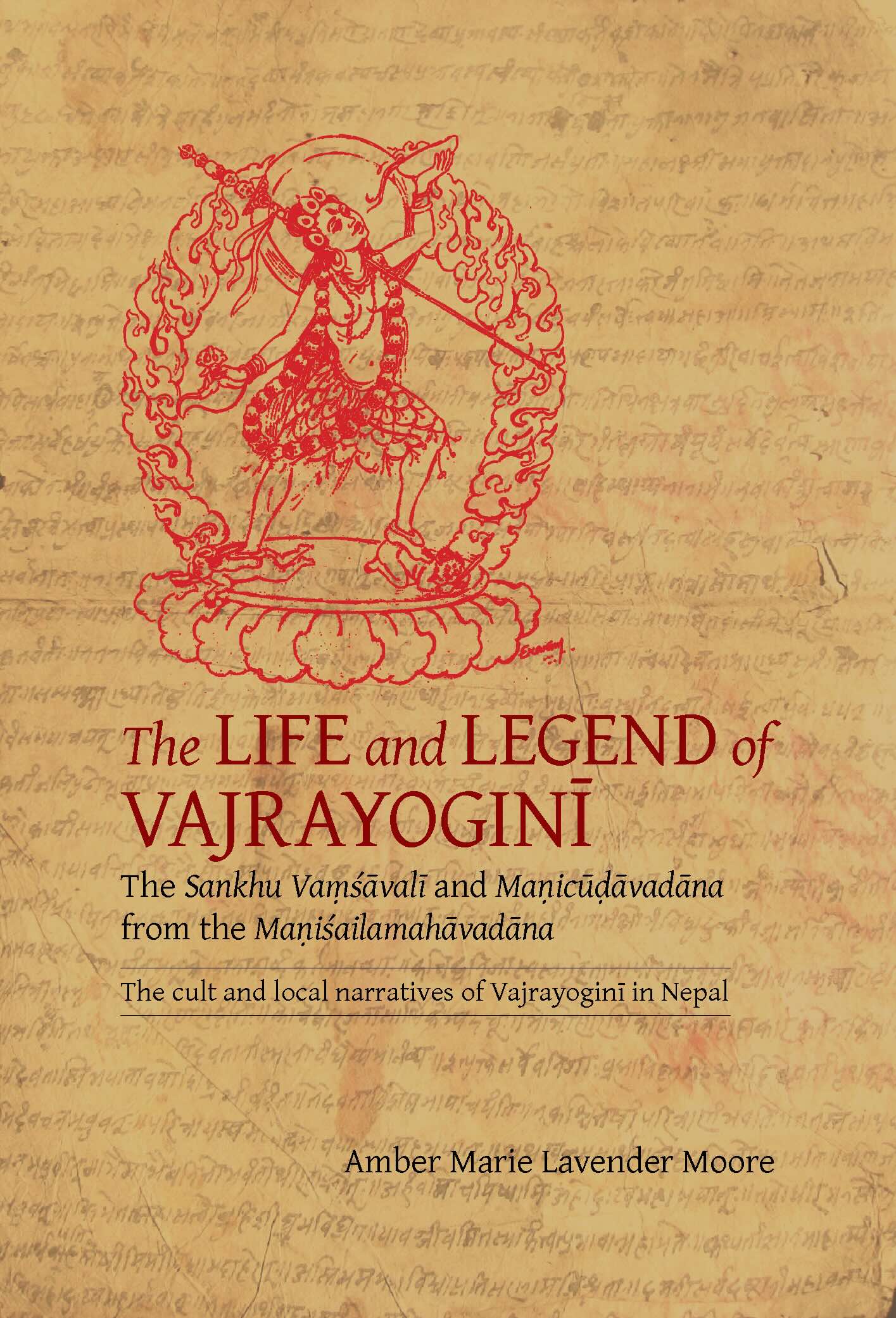
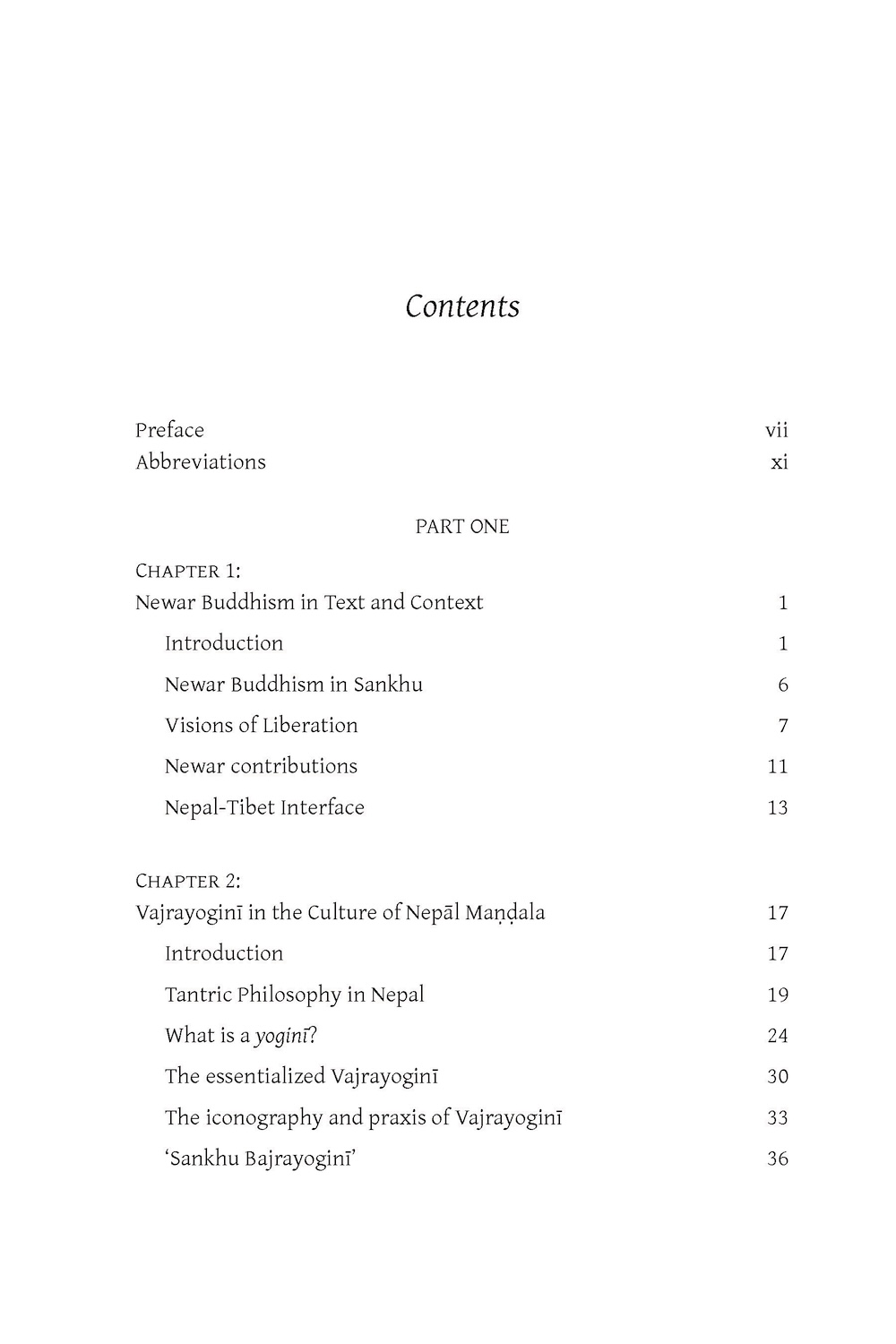
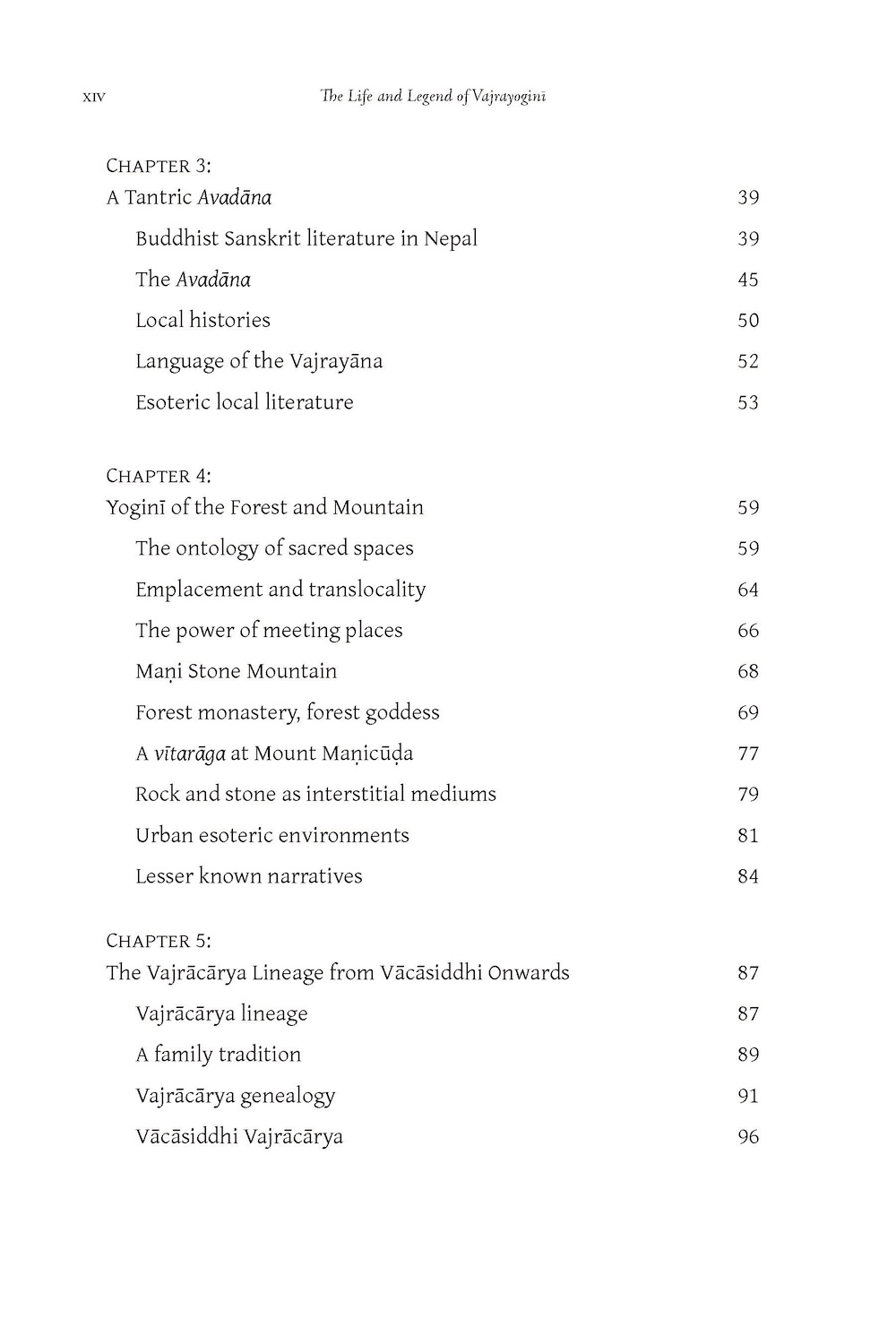
In the eyes of the Buddhist sādhaka the Kathmandu Valley, as Nepāl Maṇḍala, is the primordially established place where the ḍākas and ḍākinīs naturally gather. Indic and Tibetan traditions describe the ḍākinī as yoginī, a magical theomorphic being. For Newars, they are transcendent mothers and vajra devīs: the sources and guides for awakening on the Buddhist path. Composed in Sanskrit and Nepāl Bhāṣā, this book is a study and translation of the Maṇisailamahāvadāna, the origin story of Vajrayoginī at the ancient Padmamāla vihāra nestled in the Kathmandu Valley foothills. It also includes an account of Vajrācārya siddhas and a rare version of the Maṇicūḍāvadāna, the story of a bodhisattva prince who carries out selfless acts of generosity.
Known as Ugratārā, Ekajāṭī, Mahācīnatārā, Nīlatārā and Prajñāpāramitā, Sankhu Vajrayoginī is one of the greatest grandmothers of royal and yogic lineages. The protector of a mountain abode where herbs raise the dead and wild animals coexist in harmony with loving kindness, she is credited with the creation of the urban kingdom of Sankhu. A historic center of Himalayan trade and Buddhist transmission between India, Nepal and Tibet, yogins have gathered at this hillside site to complete their spiritual journeys for over a millennium. Marpa Lotsawa and the 7th Century Nagārjuna stayed here in retreat, it is where Padmasambhava met Sakya Devi, and where the Tibetan King Songtsen Gyalpo married princess Bṛikuṭī Devī. This book aims to inspire, to provide a living context for yoginī traditions, highlight the importance of honoring the environs as an integral part of the Buddhist path, and finally, to document the extraordinary contributions of Newars to Mahāyāna-Vajrayāna Buddhism.
Amber M. L. Moore (Konchog Zangmo) is long time practitioner of Buddhism and student of H. E. Garchen Rinpoche who currently lectures and holds a post-doctoral fellowship in the Department of Philosophy at the University of Toronto, Canada.